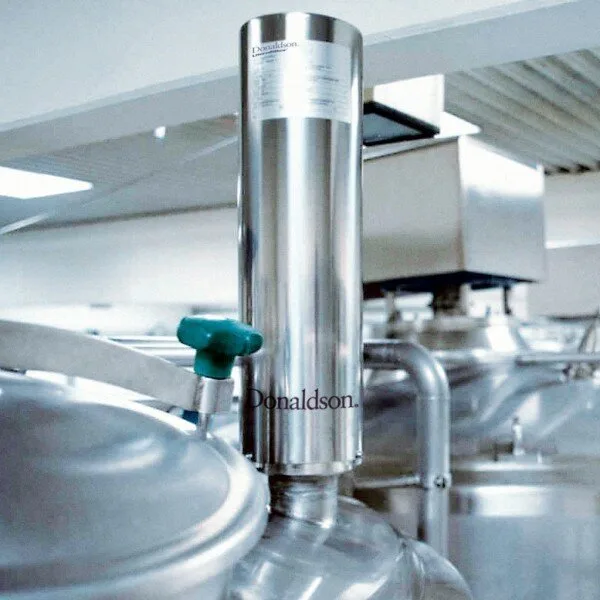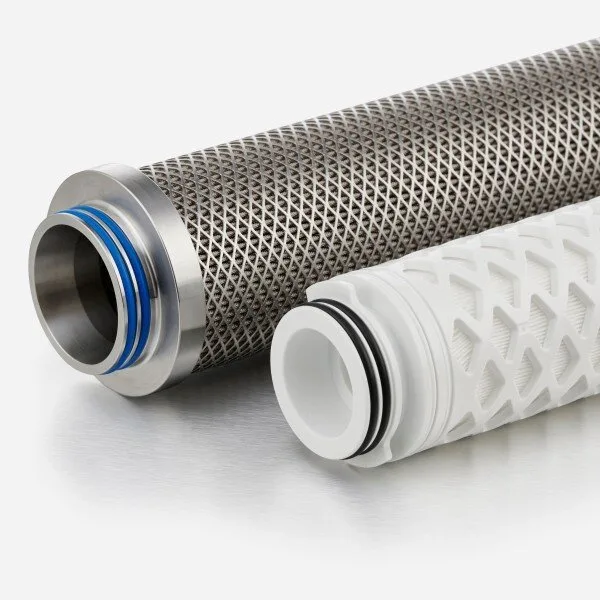
Gas cleaning is a set of measures aimed at removing harmful impurities from the air in order to ensure safe and optimal conditions for production and life. Gas cleaning is based on several principles that are implemented using a variety of technologies. Physical methods, such as filtration, are based on the mechanical retention of solid particles by means of porous materials, for example HEPA filters, capable of retaining even microscopic particles. Such filters are widely used in medical, pharmaceutical and electronic manufacturing, where a high degree of air purity is required.
Chemical gas-cleaning methods include the processes of adsorption, absorption and catalytic oxidation. Adsorption systems using activated carbon, zeolites or silica gel make it possible to effectively remove organic compounds, odors and other harmful gases. Absorption is used when contaminants dissolve in a special liquid, while catalytic processes help convert harmful compounds into harmless products by means of chemical reactions. Such technologies are used at petrochemical and chemical enterprises, where the neutralization of toxic emissions is required.
Biological gas cleaning uses microorganisms to decompose organic contaminants in the air. The use of bioreactors and compost filters makes it possible not only to purify the air but also to reduce carbon-dioxide emissions, turning harmful compounds into safe products of bacterial metabolism. This method is becoming increasingly popular in wastewater-treatment systems and at agro-industrial facilities.
The integration of various technologies into complex gas-cleaning systems makes it possible to achieve high efficiency in removing both solid particles and gaseous contaminants. When choosing a specific solution, the characteristics of the production process, the type of contaminants, the air-quality requirements and economic aspects are taken into account. Thanks to modern technologies, enterprises can not only comply with strict environmental standards but also optimize their production processes, reducing energy-consumption and equipment-maintenance costs.