Mechanical filtration
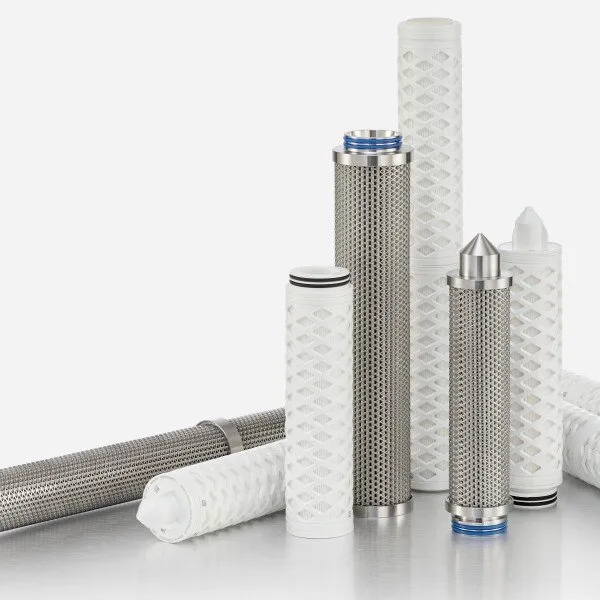
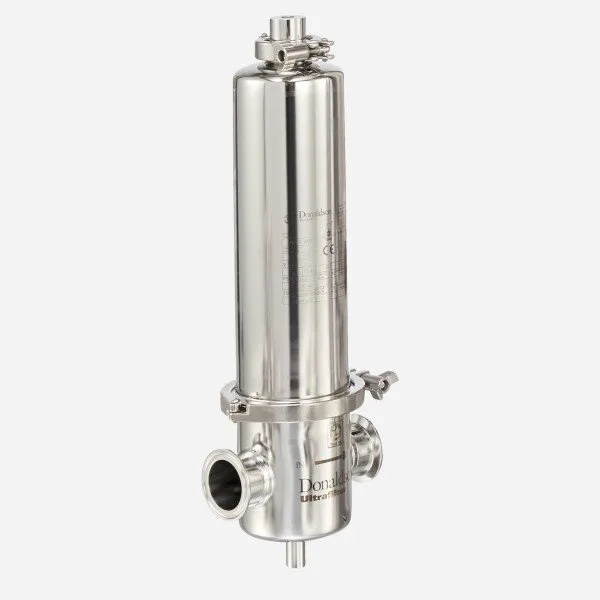
Mechanical filters are among the most common air-purification systems. They work by physically retaining dust particles and other contaminants on the surface of the filter material.
- Types of mechanical filters:
- HEPA filters: High-efficiency filters capable of retaining up to 99.97% of particles as small as 0.3 micrometers.
- Industrial air filters: Used to remove coarse particles and dust in production shops.
- Advantages:
- High cleaning efficiency.
- Ease of installation and maintenance.
- Long service life with proper operation.
- Areas of application:
- Chemical and pharmaceutical industry.
- Food industry.
- Metallurgy and woodworking.
Electrostatic filtration
Electrostatic filters use an electric field to charge contaminant particles, which promotes their subsequent capture on an oppositely charged surface.
- Types of electrostatic filters:
- Constant electrostatic filters: They have a constant electric field for capturing particles.
- Pulsed electrostatic filters: They use pulsed charges to improve cleaning efficiency.
- Advantages:
- High efficiency in removing fine particles.
- Low energy consumption.
- The ability of the filter to self-clean.
- Areas of application:
- Electronics industry.
- Textile production.
- Production shops with a high degree of contamination.
Chemical filtration
Chemical filters are designed to remove gases and vapors from the air by means of chemical reactions with an adsorbing material.
- Types of chemical filters:
- Activated carbon: Effective for removing organic compounds and odors.
- Silica gel and zeolites: Used for the adsorption of moisture and specific gases.
- Advantages:
- The ability to remove a wide range of gaseous contaminants.
- High efficiency at low concentrations of contaminants.
- Areas of application:
- Chemical and petrochemical industry.
- Laboratories and medical institutions.
- Production of pharmaceuticals.
Biological filtration
Biological filters use living organisms, such as bacteria and fungi, to decompose organic contaminants in the air.
- Types of biological filters:
- Compost filters: They use compost materials to support the growth of microorganisms.
- Bioreactors: Systems with controlled conditions for the optimal functioning of microorganisms.
- Advantages:
- Efficiency in removing organic contaminants.
- Environmental safety.
- The ability of the filter to self-renew.
- Areas of application:
- Agricultural waste.
- Food production.
- Air purification in residential and commercial buildings.
Integrated filtration systems
Integrated systems combine various filtration methods to achieve maximum air-purification efficiency.
- Advantages:
- Comprehensive removal of both particles and gaseous contaminants.
- Increased reliability and stability of the system.
- Flexibility in configuring for specific requirements.
- Areas of application:
- Manufacturing enterprises with diverse sources of contamination.
- Electronics and pharmaceutical plants.
- Large commercial buildings and airports.